


Why Shared Experience Beats Workplace Training Alone
Category: Parties and Events | Date: Jul 09, 2026 | Read Time: 8 min read
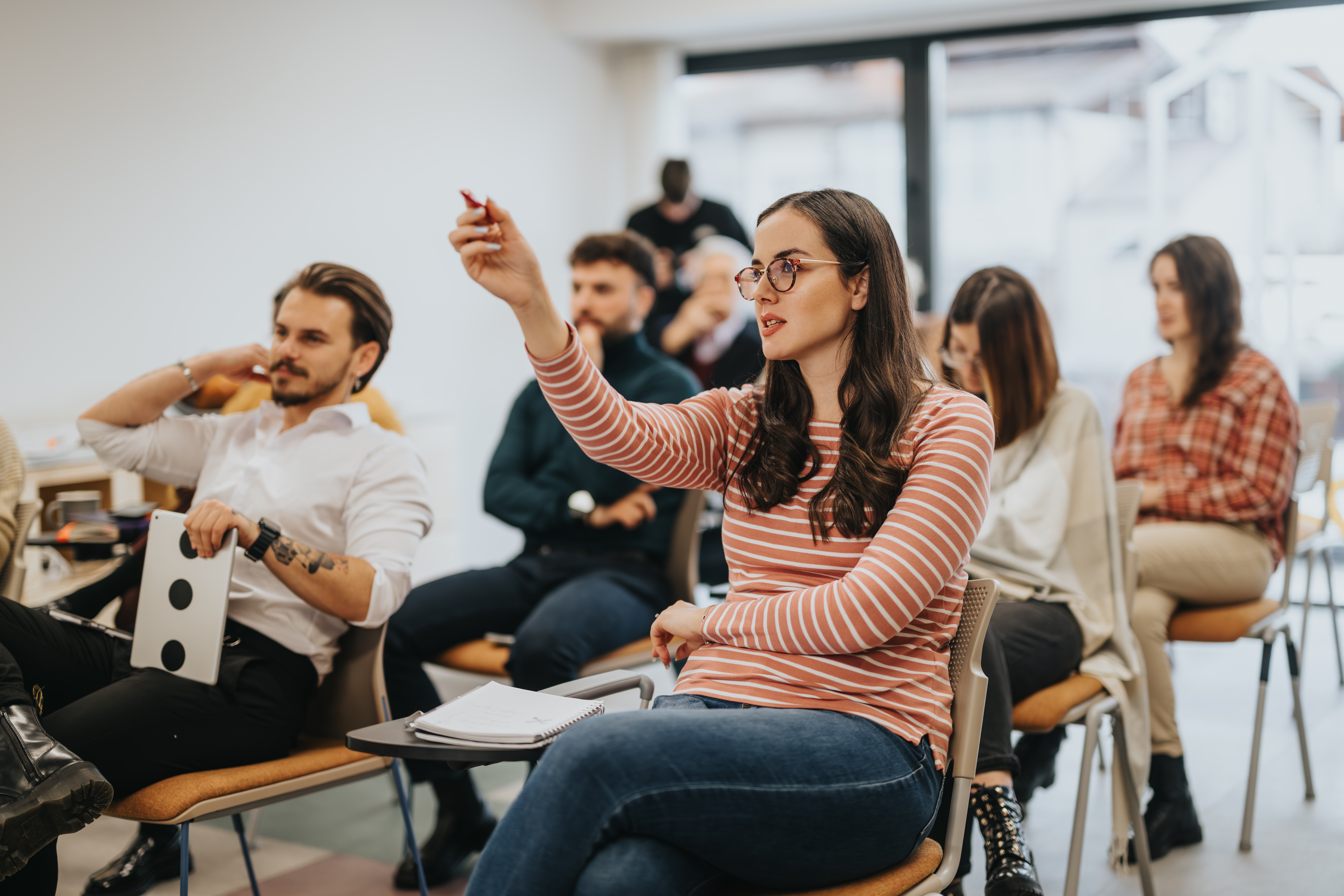
Traditional training sessions often struggle because they feel artificial. A facilitator leads a group through trust falls or generic icebreakers in a conference room. This approach separates the activity from the reality of daily work. Employees often view these sessions as a chore or a distraction. The lack of stakes means that the lessons rarely stick after the group returns to their desks. Engagement drops when the activity does not feel relevant to the actual collaboration required in a fast-paced office.
Key Takeaways:
- Shared, high-stakes experiences outside the office build authentic team connections and reveal communication and leadership styles that don't surface in everyday meetings.
- Removing the mindset of the workplace and adding managed pressure helps teams practice real collaboration skills without real project risk.
- A structured debrief after the activity is what turns a fun outing into lasting, actionable lessons for the team.
How do shared experiences foster authentic connections?
Shared experiences provide a common point of reference that a lecture cannot match. When a group works together to solve a complex puzzle or survive a high-pressure scenario, they form real memories. These moments create a shared language that persists long after the event ends. You will observe natural leadership qualities and communication styles that do not surface during standard meetings. This helps colleagues understand their peers in a different light. It breaks down departmental silos by placing everyone on an equal footing.
What role does stress play in effective team building?
A managed, high-stakes environment mimics the pressure of a real project without the actual risks. When a team faces a time-sensitive challenge, they must distribute tasks and communicate clearly to succeed. This mirrors effective project management. You will see how different personality types react to unexpected obstacles. Some players focus on logistics while others take charge of the overarching strategy. This observation is invaluable for managers looking to understand how their team processes information and handles pressure together.
Why is moving beyond the office so important?
Removing the team from their typical office environment is essential for a mindset shift. The workplace carries expectations and daily frustrations. A neutral, indoor facility such as an escape room provides a blank slate. This change of scenery allows staff to leave behind their daily tasks and focus entirely on the experience. The physical movement involved in these activities also helps clear the mind. It signals that the company values innovation and employee growth. This fosters a more positive and refreshed outlook.
How do professional facilities ensure high engagement?
A high-quality facility focuses on reducing friction to keep the team engaged. Professional staff manage the logistics so you do not have to. They guide the team through briefings that make the objectives clear from the start. They also monitor the activity to ensure that every player feels included and supported. This level of service removes the administrative burden from the organiser. It ensures that the session stays on schedule and achieves the desired outcomes for your specific department.
What is the best way to leverage shared successes?
The reflection phase after an experience is where the real learning occurs. You should always reserve time for a post-activity debrief. This allows the team to discuss the strategies they used and why they succeeded or failed. Connect these insights back to your current office goals. Ask the team how their communication improved under pressure. This turns a fun afternoon into a practical, actionable lesson. You will find that staff members retain these insights far better than information from a slide deck.
How does active participation improve long-term morale?
Active, hands-on tasks are far more memorable than passive listening. When employees feel they have achieved something together, their pride in the team grows. This shared sense of accomplishment strengthens the social fabric of the office. It builds a more resilient culture where colleagues are more likely to support each other during difficult projects. The novelty of the experience acts as a tangible reward for hard work. It shows that management cares about fostering a modern and supportive workplace.
Frequently Asked Questions
Why do these experiences work better than standard workshops?
Active experiences require real-time collaboration. This forces players to communicate effectively and solve problems together, which mimics real project dynamics better than passive learning.
Do we need prior experience to participate?
No. All experiences are designed for intuitive play. Professional staff provide a simple briefing to ensure every player feels comfortable and ready to contribute immediately.
Can these activities accommodate different personality types?
Yes. Collaborative experiences allow quiet members to contribute through problem-solving and logic, while more vocal members can lead the coordination of the group.
How do we measure the impact on our team?
Observe the communication patterns during the session. The best measure is often the increase in collaborative confidence and the improved social dynamics you see back at the office.
What is the ideal group size for these sessions?
Professional facilities can manage groups of various sizes. They use rotation schedules to ensure every player stays active and engaged regardless of the total headcount.